Q: Pinguicula hybrids
A: There are many naturally occurring hybrids in Europe, and some have even been given names, like
Pinguicula × gresivaudanica, or P. × scullyi.
As far as I can recall, there are no verified reports of Latin American
Pinguicula
hybrids in the wild---all the hybrids are the result of horticultural efforts. The
flowers of Pinguicula, especially the Mexican ones, are usually very showy. There usually is not much
to be gained in terms of foliage features, although there are exceptions to this especially when one of the parents is a species
with highly elongated leaves (such as P. gypsicola or P. moctezumae).
Hybrids are often highly vigorous, and are more
forgiving of cultivation cock-ups.
I once tried to keep track of all the crosses and cultivars, but it has gotten crazy with all the new plants. But here are
a few that I like in particular.
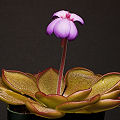
 Pinguicula 'Weser'
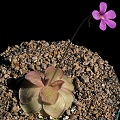
 Pinguicula 'Titan'
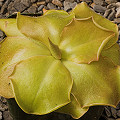
 Pinguicula 'Pirouette'
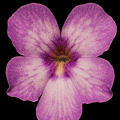
 Pinguicula 'John Rizzi'
 Pinguicula 'Gina'
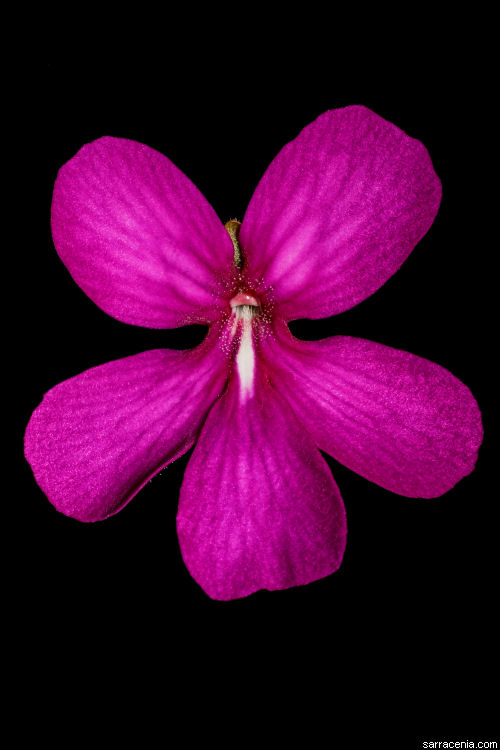
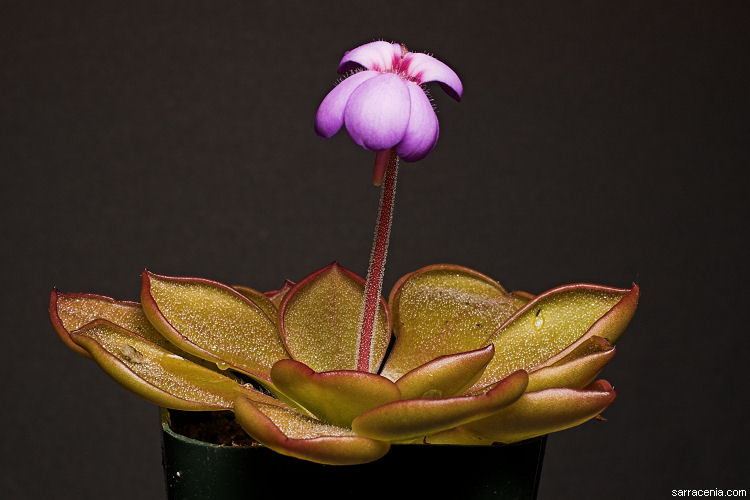
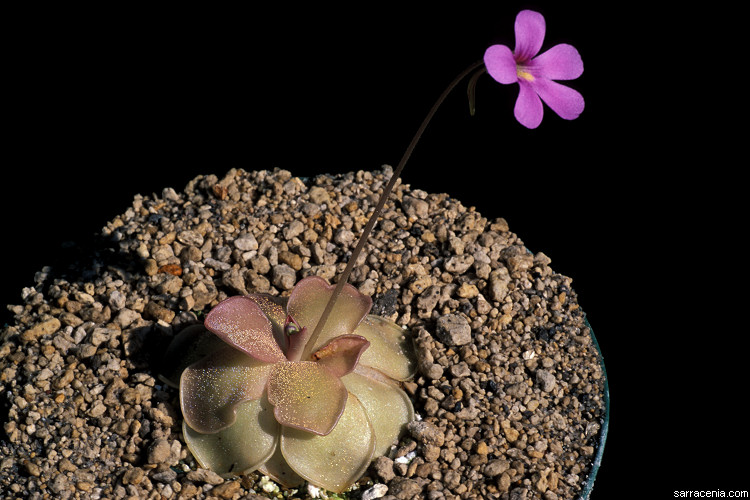
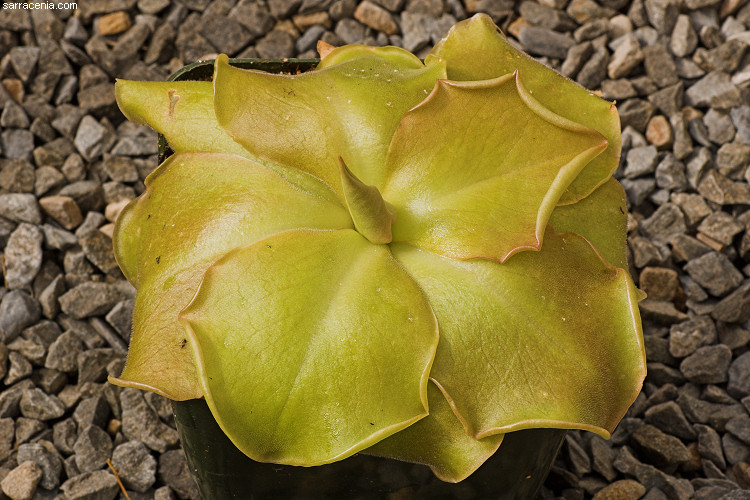
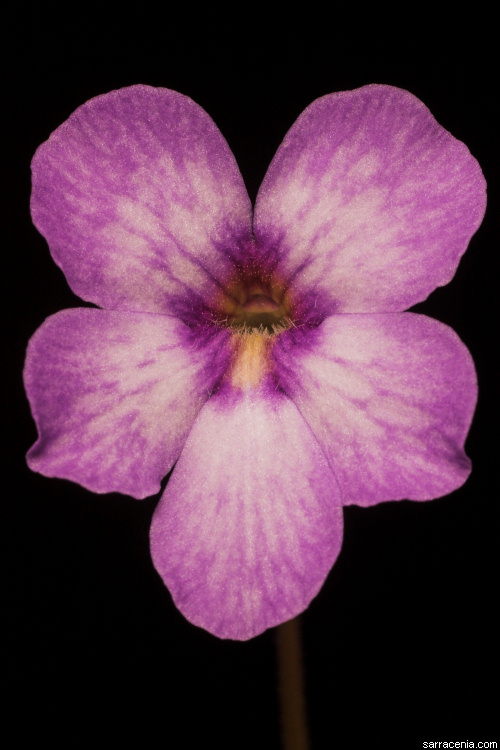
Pinguicula 'Aphrodite'
A plant with arching, elongated leaves that can have a weirdly fungal, pale
color. Its hybrid parentage is P. agnata × moctezumae.
Pinguicula 'Gina'
An extremely pretty plant with hybrid parentage
P. moranensis × agnata.
Pinguicula 'John Rizzi'
A plant of unknown parentage, developed by Peter D'Amato and some
hummingbirds. It has nice, rose, large flowers.
Pinguicula 'Pirouette'
An extremely vigorous hybrid. If you cannot grow this, do not try any
other Mexican species or hybrids until you mend your ways!
Its hybrid parentage is P. agnata × (moranensis × ehlersiae).
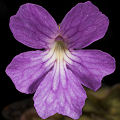 P. emarginata
× cyclosecta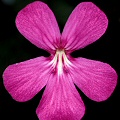 P. moranensis
× ehlersiae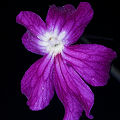 P. laueana
× emarginata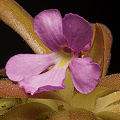 P. gracilis
× moctezumae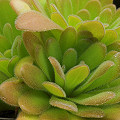 P. gypsicola
× agnata
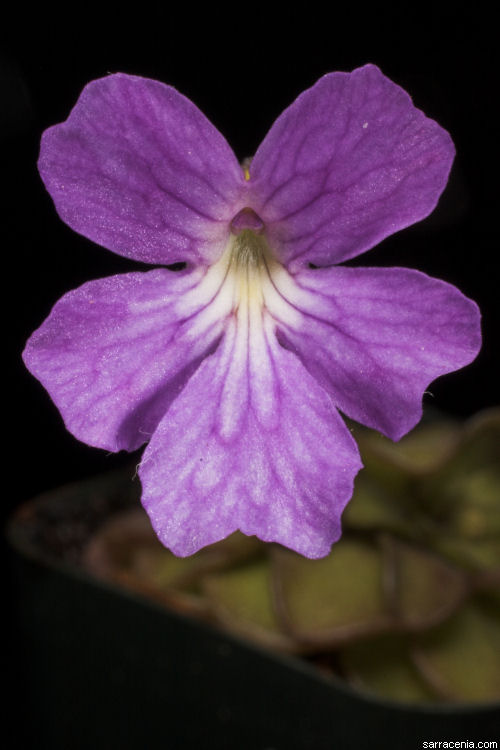
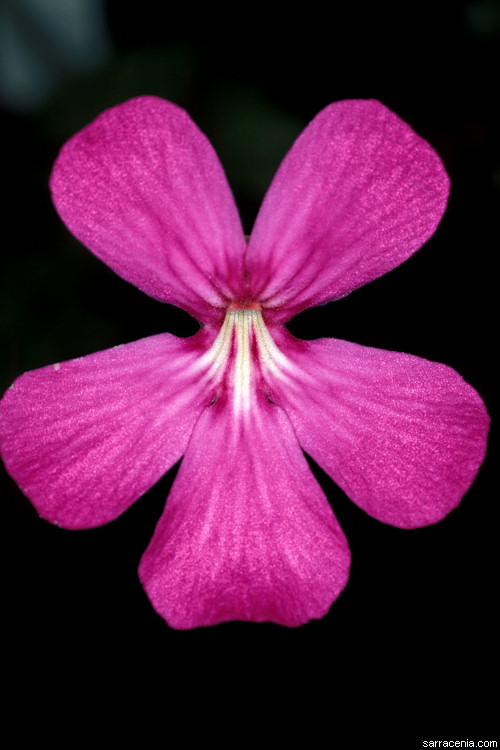
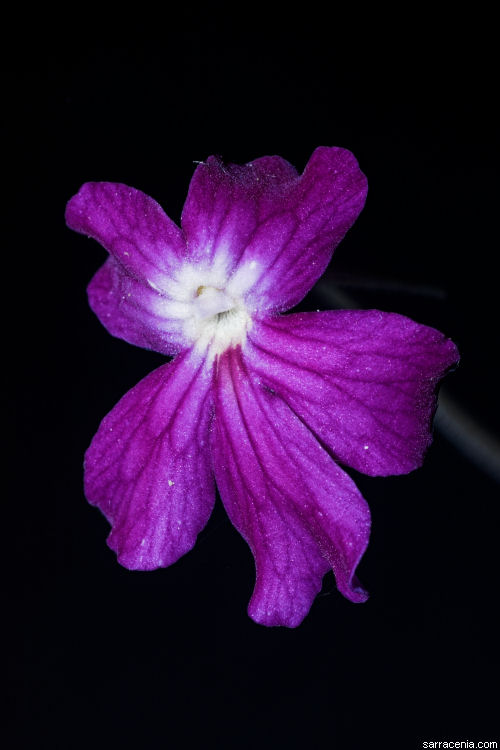
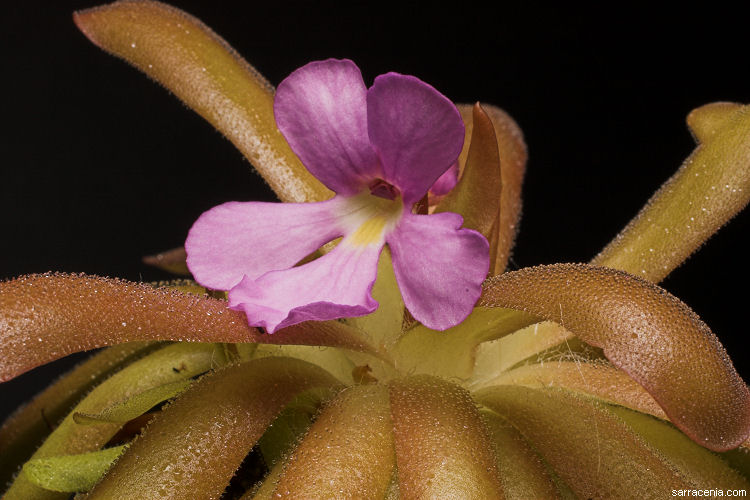
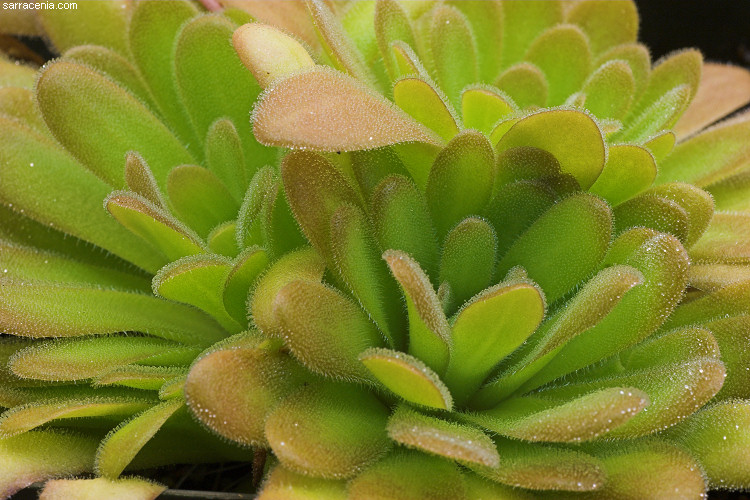
Pinguicula 'Sethos', 'Weser'
Two plants with
the P. moranensis × ehlersiae parentage, and both with large purplish flowers.
Pinguicula 'Titan'
A plant developed by Leo Song, if grown well it can be truly enormous.
Unfortunately, many of the specimens in cultivation are infected by some sort of pathogen which slows their growth and
stunts the plant into a worthless lump. The parentage is unclear, but it involves P. agnata
and possibly P. macrophylla.
Page citations:
Brittnacher, J. et al. 2000;
D'Amato, P. 1998a;
Flisek, J., & Pasek, K. 2000;
Rice, B. 2006a; Roccia, A. et al. 2016;
Schlauer, J. 2002; Slack, A. 1986; Song, L. 2001b; Studnicka, M. 1992; Wyman, T.H. 2004.


