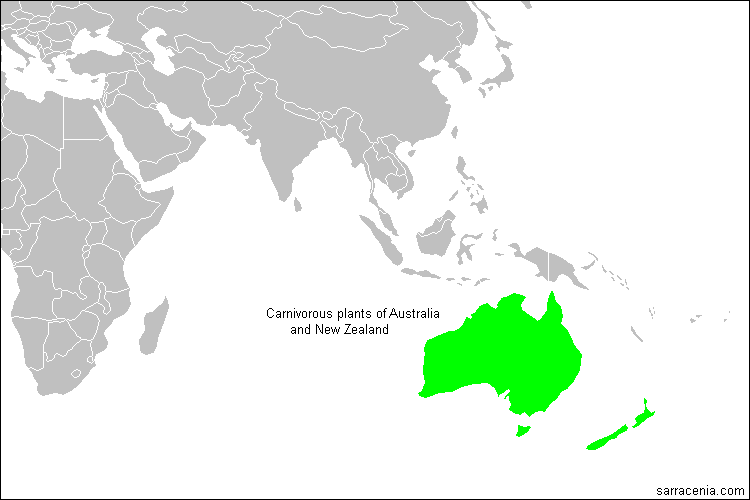
Q: Carnivorous plants of Australia and New Zealand
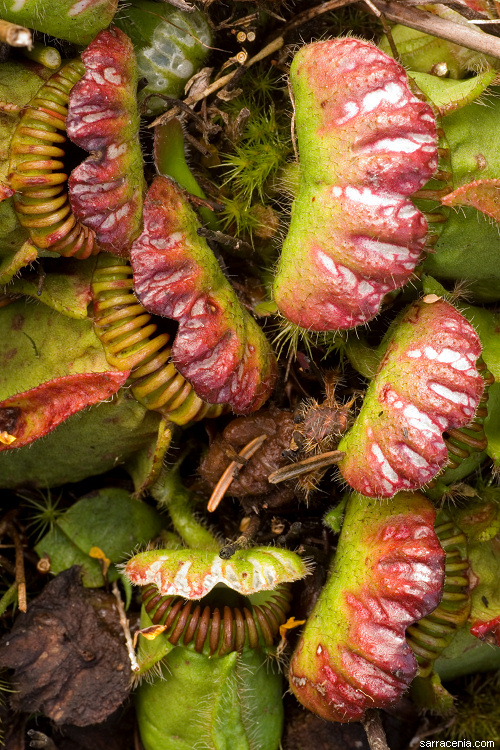
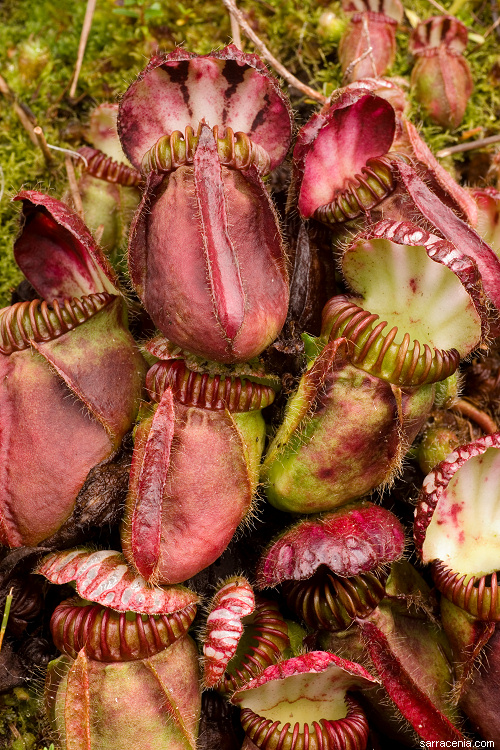
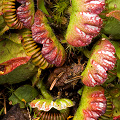 Cephalotus
follicularis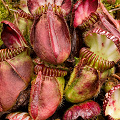 Cephalotus
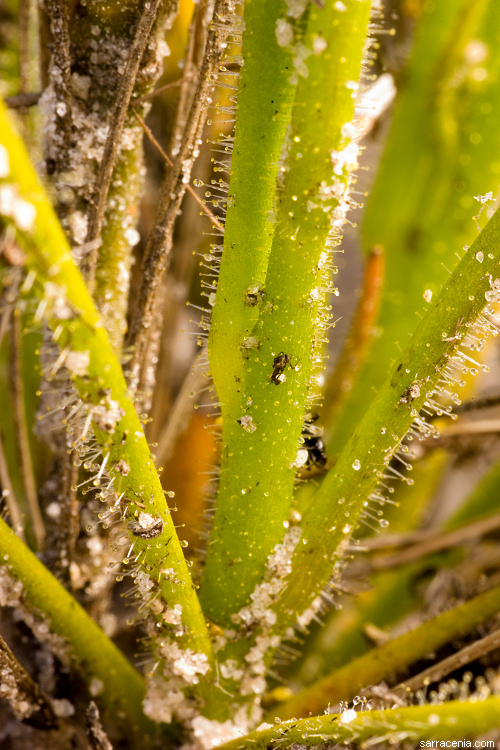
follicularis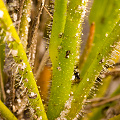 Byblis
gigantea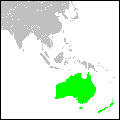 Australia
and New Zealand
A:
On this page, I will note all the genera found in Australia, New Zealand, and the Chatham Islands.
(The Chatham Islands are possessed by New Zealand, but are about 900 km to the east.)
The native carnivorous genera in this region are Aldrovanda, Byblis,
Cephalotus, Drosera, Nepenthes, and
of course Utricularia.
Australia is a global hot spot for carnivorous plants, and has no peer if your interests are
Drosera or Utricularia!
Aldrovanda
This plant occurs at several sites in New South Wales, Western Australia, and the Northern Territory.
Some of these sites house interesting red forms.
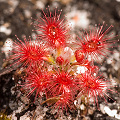 Drosera
roseana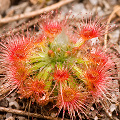 Drosera
paleacea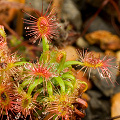 Drosera
lasiantha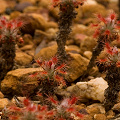 Drosera
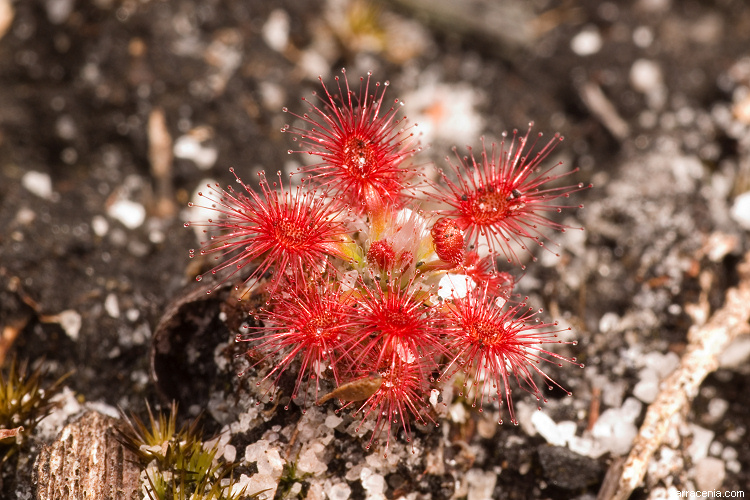
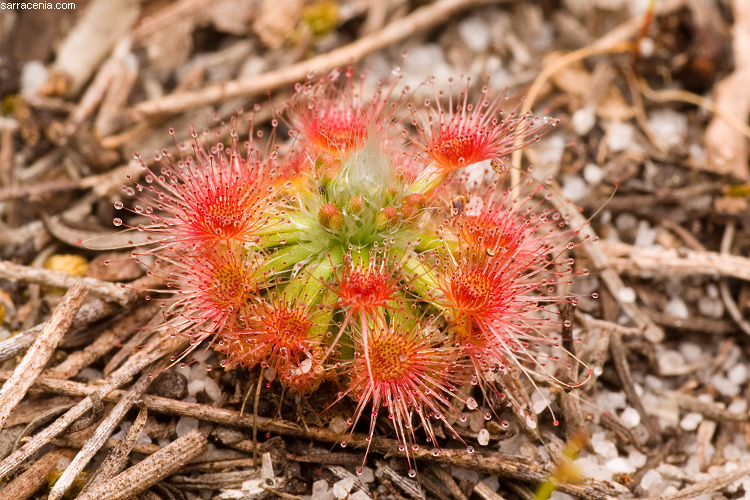
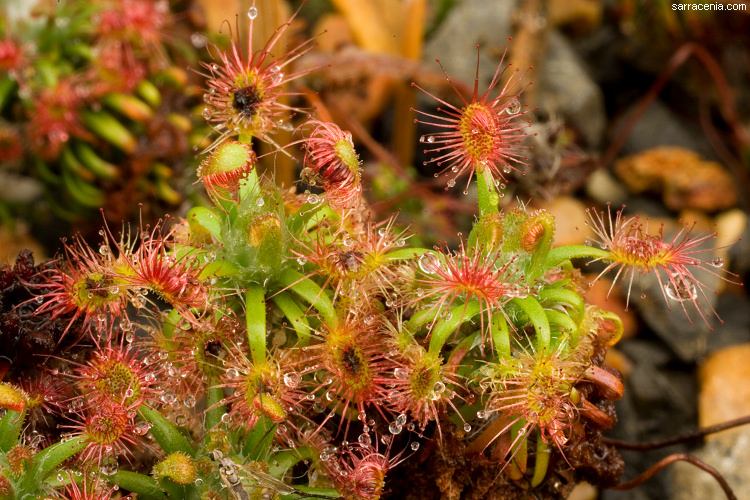
gibsonii Drosera
androsaceae
Byblis
Nearly the entire genus is endemic to Australia, and is restricted to Western Australia.
Cephalotus
This spectacular little pitcher plant is endemic to the southwest corner of Western Australia.
It is a beauty!
Nepenthes
For a long time, only one species--N. mirabilis--was thought to occur in Australia. However,
additional species are now recognized in the northern
tip of Queensland, i.e., Cape York.
Now, with trepidation, let us review the two big genera in Australia and New Zealand: Drosera
and Utricularia....
 Drosera
sulphurea Drosera
ramellosa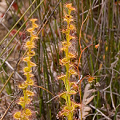 Drosera
platypoda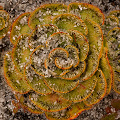 Drosera
zonaria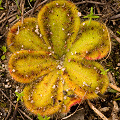 Drosera
erythrorhiza
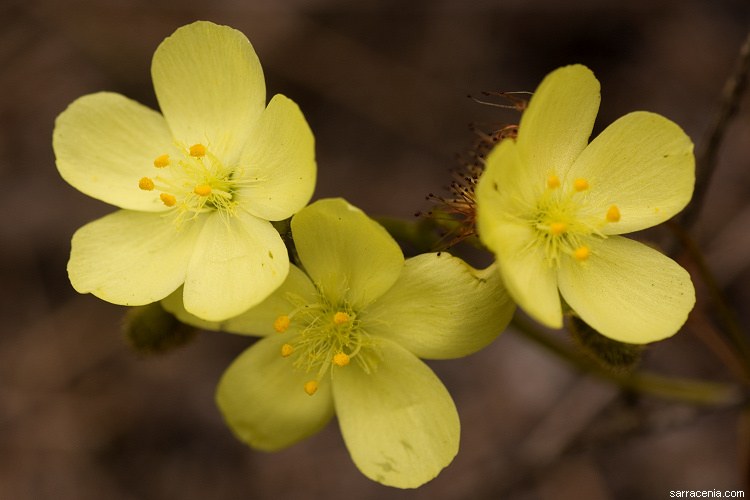
Drosera
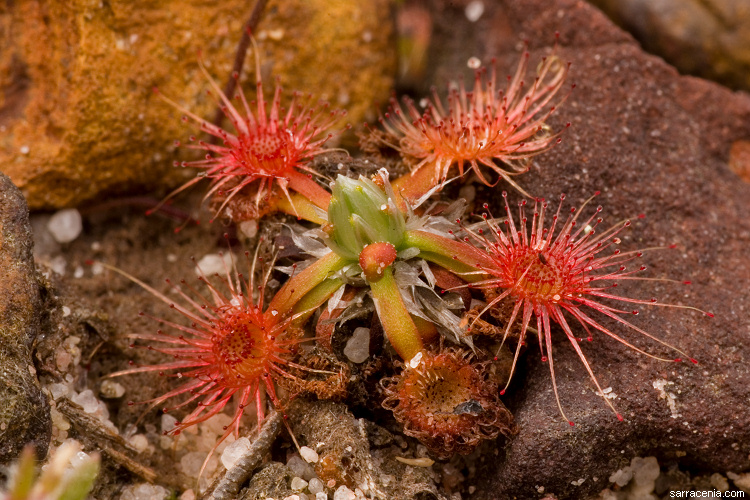
Australia is a center of diversity for the genus Drosera. While it is weak on the familiar rosetted
species (i.e., genus section Drosera), it excels in entire groups of sundew species of types found
nowhere else.
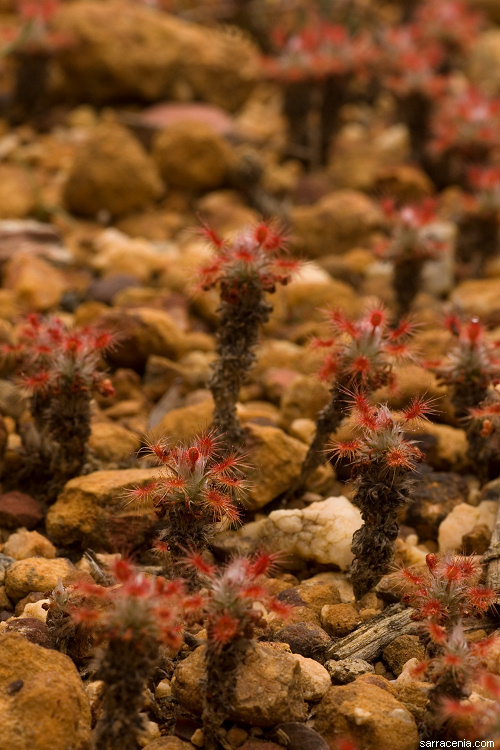
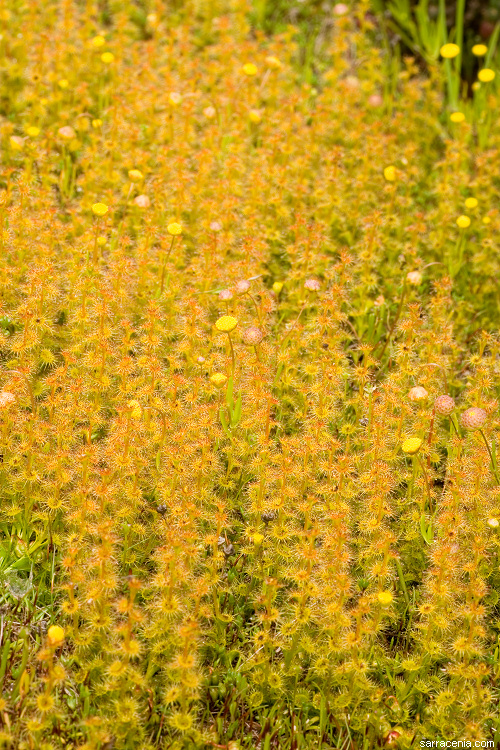
- Pygmy species (sections Bryastrum and Lamprolepis): The entire suite of pygmy Drosera taxa occur in Australia. Indeed, they are all endemic to Australia (mostly Western Australia), except for D. pygmaea which ranges into New Zealand.
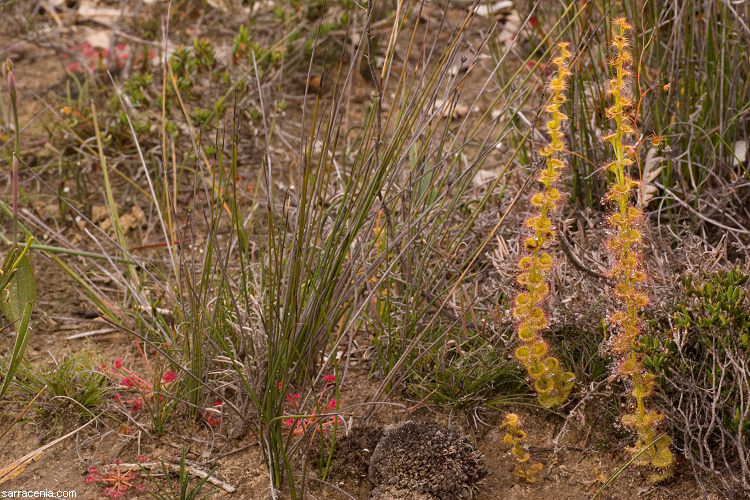
- The petiolaris-complex (section Lasiocephala): Another group of strange species, nearly all endemic to Australia.
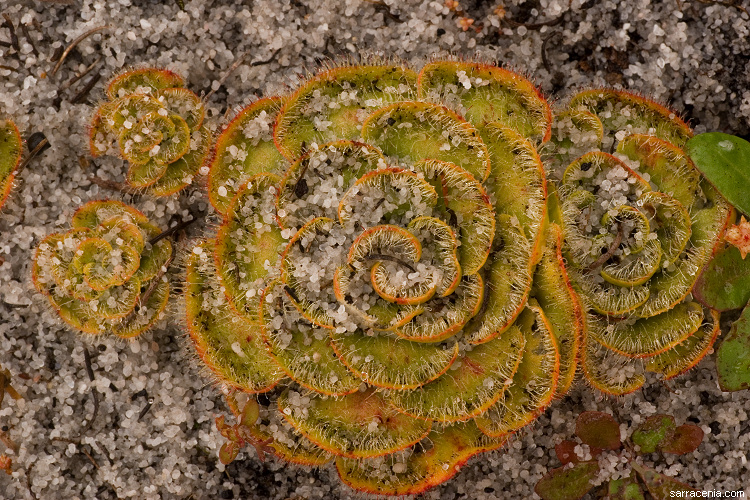
- The rosetted tuberous sundews (section Erythrorhiza): A few dozen taxa endemic to Australia.
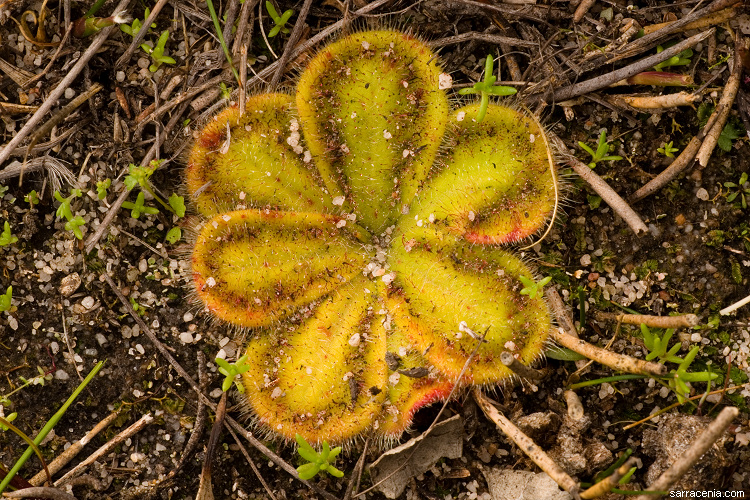
- The fan-leaved tuberous sundews (section Stolonifera): About ten taxa endemic to Western Australia.
- The erect and scrambling tuberous sundews (section Ergaleium): Many more species; all are endemic to Australia except for D. peltata and D. auriculata.
- The Queensland sundews (section Prolifera): a small section, all endemic to Queensland, Australia.
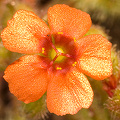 Drosera
glanduligera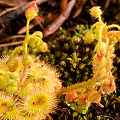 Drosera
glanduligera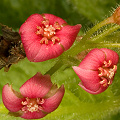 Drosera
schizandra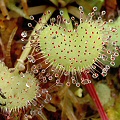 Drosera
prolifera
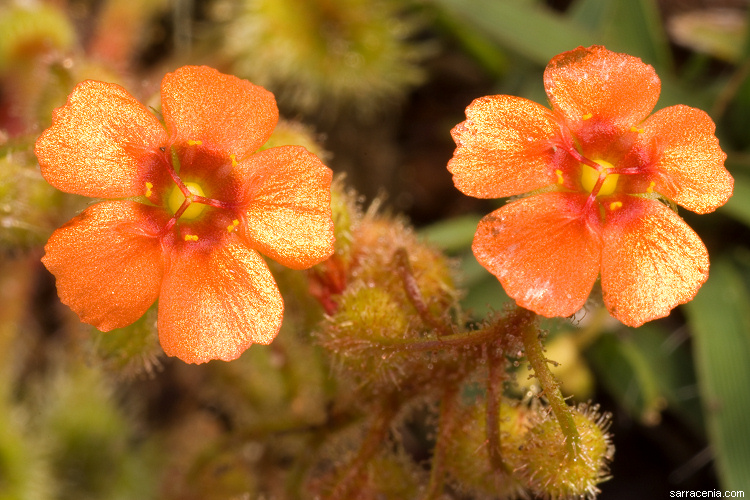
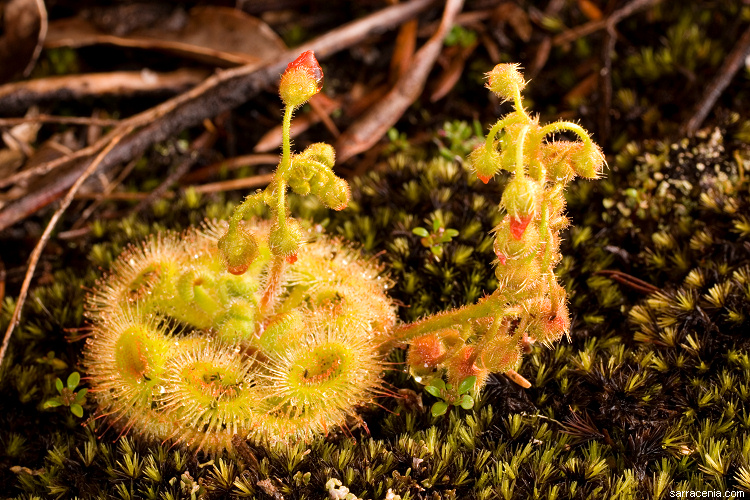
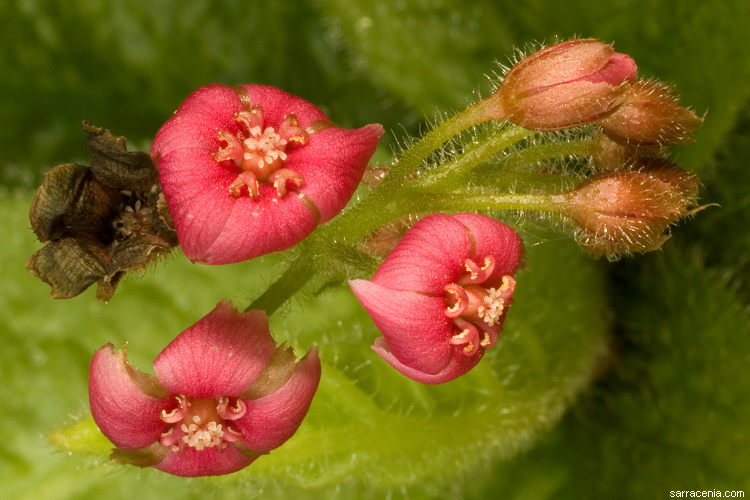
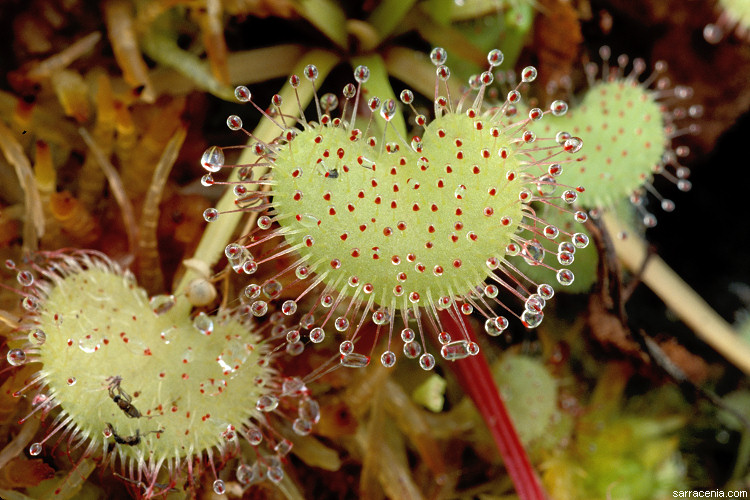
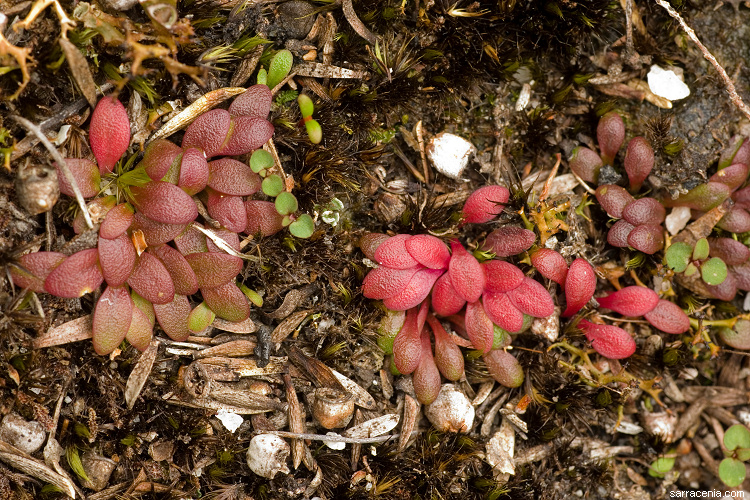
In addition to those clean categories, several other taxa occur in this region of interest. Some that leap out at me include Drosera arcturi, Drosera binata and its relatives, Drosera burmannii, Drosera glanduligera, Drosera hamiltonii, Drosera indica and allies such as Drosera harmeyerorum, Drosera spatulata, and Drosera stenopetala. There are still others, but I'll let you learn about them.
Utricularia
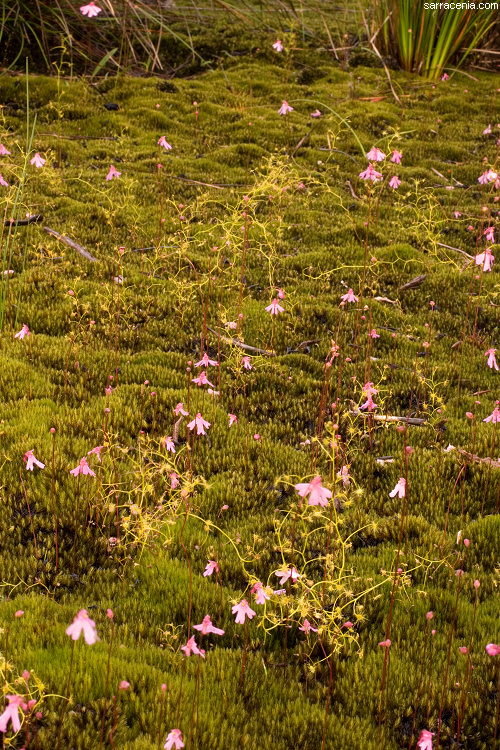
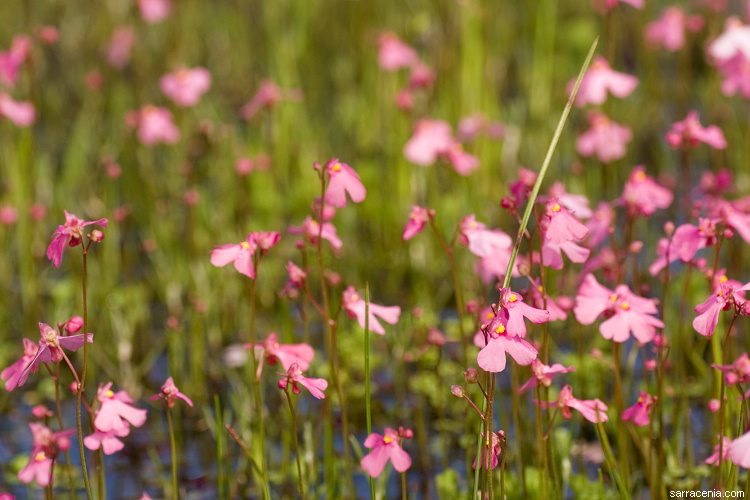
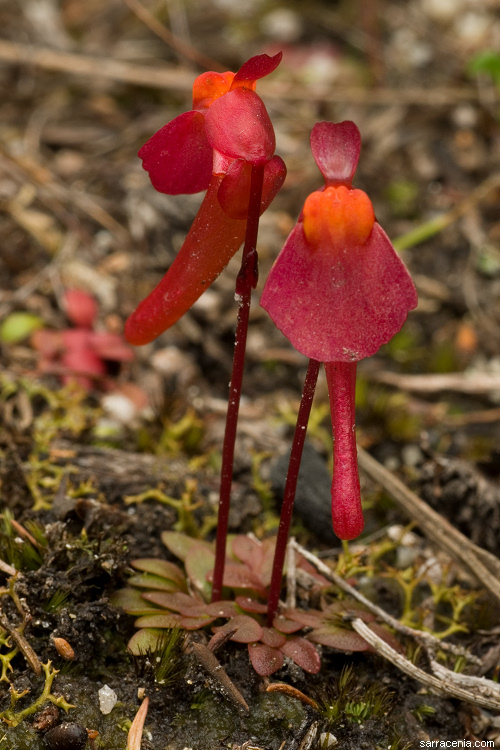
Australia is also a center of diversity for this genus. Last I looked, I saw more than fifty species in this area.
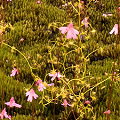 Utricularia
multifida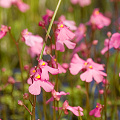 Utricularia
multifida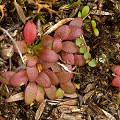 Utricularia
menziesii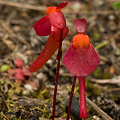 Utricularia
menziesii
A sub-topic to this page that I might as well answer, is the carnivorous plants of New Zealand. There are only two native genera present, Drosera and Utricularia.
Page citations: Clarke, C., and Kruger, R. 2005, 2006; Lowrie, A. 1987, 1989, 1999; Lowrie, A., et al. 2017a; Lowrie, A., et al. 2017b; Lowrie, A., and Conran, J.G. 1998; Rice, B.A. 2006a; Salmon, B. 2001; Schlauer, J. 2002; Taylor, P. 1989.
