The Carnivorous Plant FAQ v. 11.5
- courtesy of -
The International Carnivorous Plant Society

Q: What is a "carnivorous plant?"

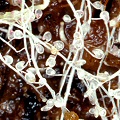
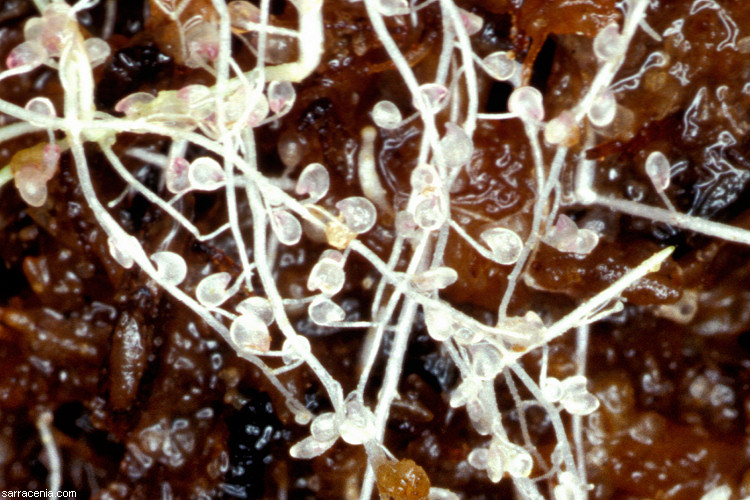
U. dichotoma
Utricularia dichotoma

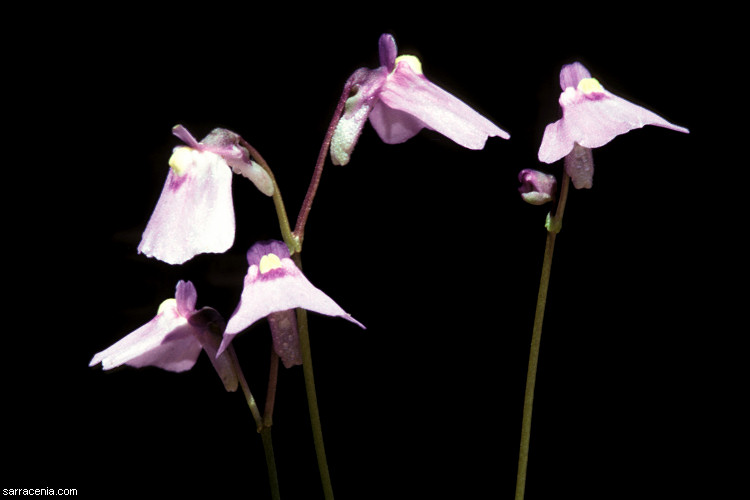
U. triloba
Utricularia triloba

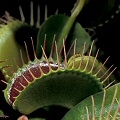
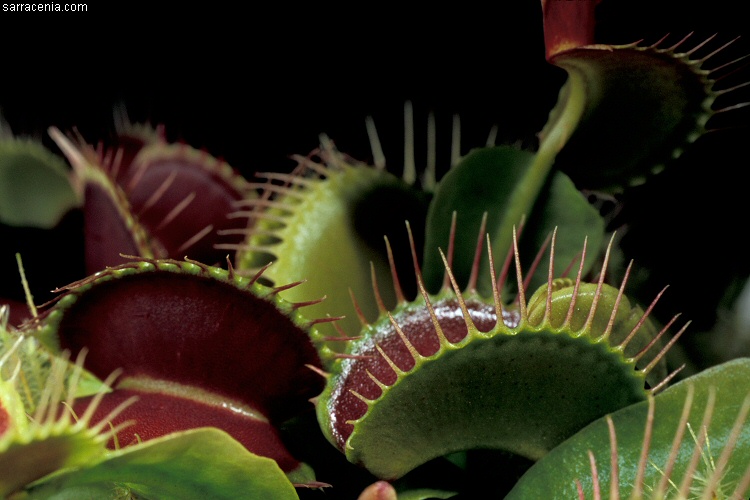
Dionaea
Dionaea muscipula

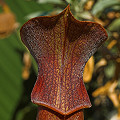
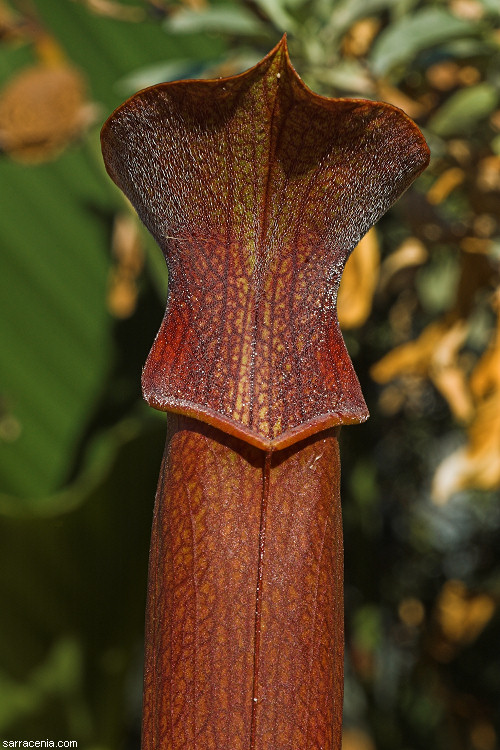
Sarracenia rubra
Sarracenia rubra
subsp. wherryi
A: A plant is carnivorous if it attracts, captures, and kills animal life forms. It must also digest and absorb the nutrients from the prey to qualify.

Let me be very clear on this. A carnivorous plant must be able to the the following things:

  1. Prey must find its way to the trap, and is usually encouraged to do so by attractants fabricated by the plant.
  2. Prey must be captured by the plant.
  3. The prey must die while in the clutches of the plant.
  4. The prey must be digested.
  5. The nutrients from the prey must be assimilated by the plant.

In recent years people have been realizing that nature is not quite so black and white as we would like. Some plants are not quite carnivorous, but are not quite noncarnivorous, either! For example, there are sticky plants which provide a comfortable habitat for bugs which crawl freely on the plant and eat the insects trapped by the sticky leaves. The bugs excrete (i.e. poop) on the leaves, and the plant absorb nutrients from the poop.

Because of this association, you can argue that the plant is not digesting the prey; rather the bugs are doing this. So is the plant really carnivorous? Even more subtle, some plants rely on bacterial decomposition to break down the captured prey. Are they carnivorous? Scientists argue over these grey cases, which they call semi-carnivorous, para-carnivorous, or sub-carnivorous. (Avoid the word "proto-carnivorous", as we can't say that evolution is moving in some particular direction---evolutionary forces can change at the drop of a hat.)

For your information, I consider a plant to be carnivorous even if it perfoms digestion with the cooperation of allies such as arthropods or bacteria. After all, that meal you just ate is being digested, in large part, by bacteria in your own gut! But I don't think anyone would argue with you if you said you are in the process of digesting your meal. A slightly revised way of defining carnivory in plants is the following:

  1. Prey must find its way to the trap, and is usually encouraged to do so by attractants fabricated by the plant.
  2. Prey must be captured by the plant.
  3. The prey must die while in the clutches of the plant.
  4. The prey must be digested. If the digestion is not by enzymes from the plant, there must be clear adaptations from the plant that indicate this is actually carnivory.
  5. The nutrients from the prey must be assimilated by the plant.

For example, the plant Darlingtonia californica does not produce its own enzymes. Yet it has numerous adaptations to attract, trap, and kill prey that prove its carnivory. Similarly, plants in the genus Roridula have cuticular adaptations to help in their carnivory. You will read more about those in this FAQ.

Page citations: Hartmeyer, S. 1997, 1998; Juniper, B.E. et al. 1989; Rice, B.A. 2006a, 1999.

back forward

bar

Revised: January 2007
©Barry Rice, 2005